

Getting a Gould Syndrome diagnosis can feel like stepping into a medical detective story—one where your genes hold the clues. This rare genetic disorder is caused by mutations in the COL4A1 or COL4A2 genes, which play a crucial role in maintaining the integrity of blood vessels, muscles, and other tissues. Because Gould Syndrome can affect multiple organs, the diagnostic process often involves a team of specialists, including neurologists, ophthalmologists, and genetic counselors. It’s a bit like assembling an all-star medical squad to piece together the puzzle of symptoms and genetic findings.
The journey to a diagnosis usually starts with noticing unusual symptoms, such as muscle weakness, vision problems, or even unexplained strokes. Doctors may order imaging tests like MRIs to check for abnormalities in the brain and blood vessels, and genetic testing is the key to confirming the presence of COL4A1 or COL4A2 mutations. If the mutation is inherited, family members might also be tested to understand the broader genetic picture. While the process can be overwhelming, having a clear diagnosis allows patients and their families to better navigate treatment options and lifestyle adjustments.
Advances in research and medical care mean that patients can receive tailored support to manage symptoms and improve their quality of life. Genetic counselors help families understand the implications of the diagnosis, and specialists work on personalized treatment plans. While there’s no one-size-fits-all approach, the medical community is continuously learning more about Gould Syndrome, offering hope for better treatments in the future.
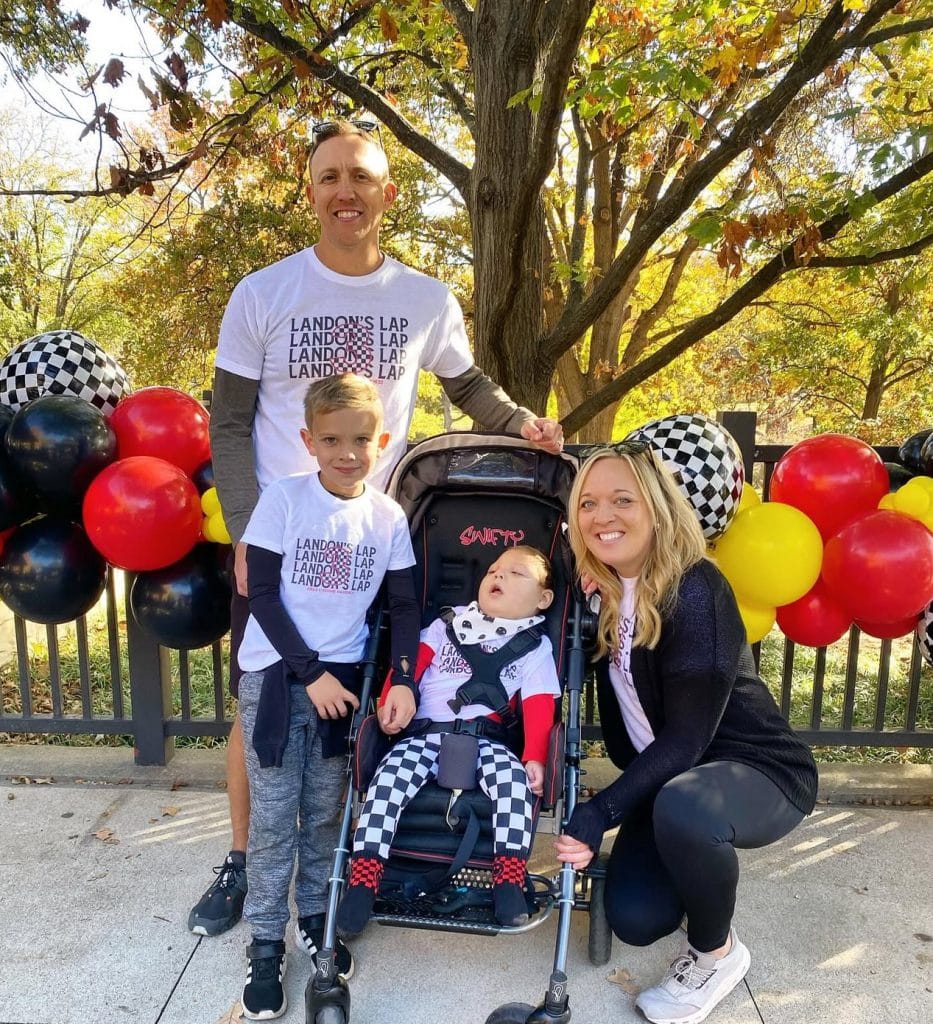
Dr. Douglas Gould first identified Gould Syndrome in 2003 while researching genetic mutations affecting blood vessels and connective tissues. His work focused on the COL4A1 and COL4A2 genes, which play a crucial role in maintaining the structural integrity of various organs, including the brain, eyes, kidneys, and muscles. Through extensive genetic studies, Dr. Gould and his team at the University of California, San Francisco, uncovered how mutations in these genes lead to a wide range of symptoms, helping to define the disorder and improve diagnostic approaches.
Dr. Gould’s research aims to deepen the understanding of how COL4A1 and COL4A2 function in the body and how their mutations contribute to disease. His lab is working on two major themes: first, exploring the basic biology of these genes to uncover their roles in different tissues, and second, advancing gene editing and gene therapy techniques to develop targeted treatments for Gould Syndrome. By identifying specific pathways affected by the mutations, his team hopes to create mechanism-based interventions that could lead to more effective therapies in the future. Through continued research, Dr. Gould aspires to improve patient outcomes and provide families with better tools to manage the condition.
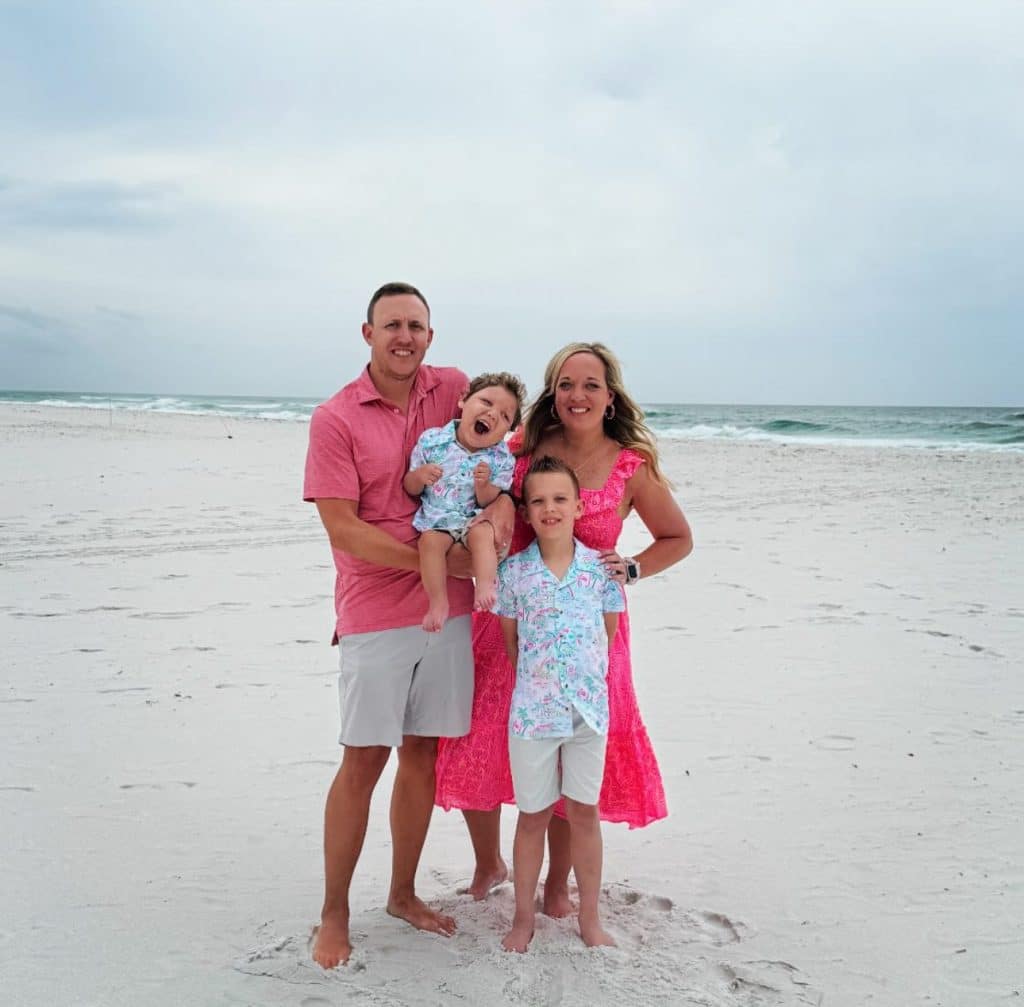
Time Frame: 9 months of Research
Budget: $115,000
Below you can see the benchmarks our researchers intend to hit.
Major Accomplishment.
We will purify collagen a1a1a2(IV) from cultured control and mutant cells (four independent lines with mutations
in putative integrin binding domains as detailed in the project description) and determine the binding affinities for
the major collagen-binding integrins.
We will generate cell cultures for control cells and mutant cells with one of four mutations in putative integrin binding domains on COL4A1. We will collect the conditioned media that will subsequently have the secreted collagen a1a1a2(IV) molecules purified for biochemical characterization. Funds will be used to purchase consumable reagents and to support personnel costs.
We will purify collagen a1a1a2(IV) from the collected conditioned media (Stage 1) and validate whether the mutations affect collagen a1a1a2(IV) biosynthesis (pulse chase labeling) or structure (circular dichroism). Funds will be used to purchase consumable reagents and to support personnel costs.
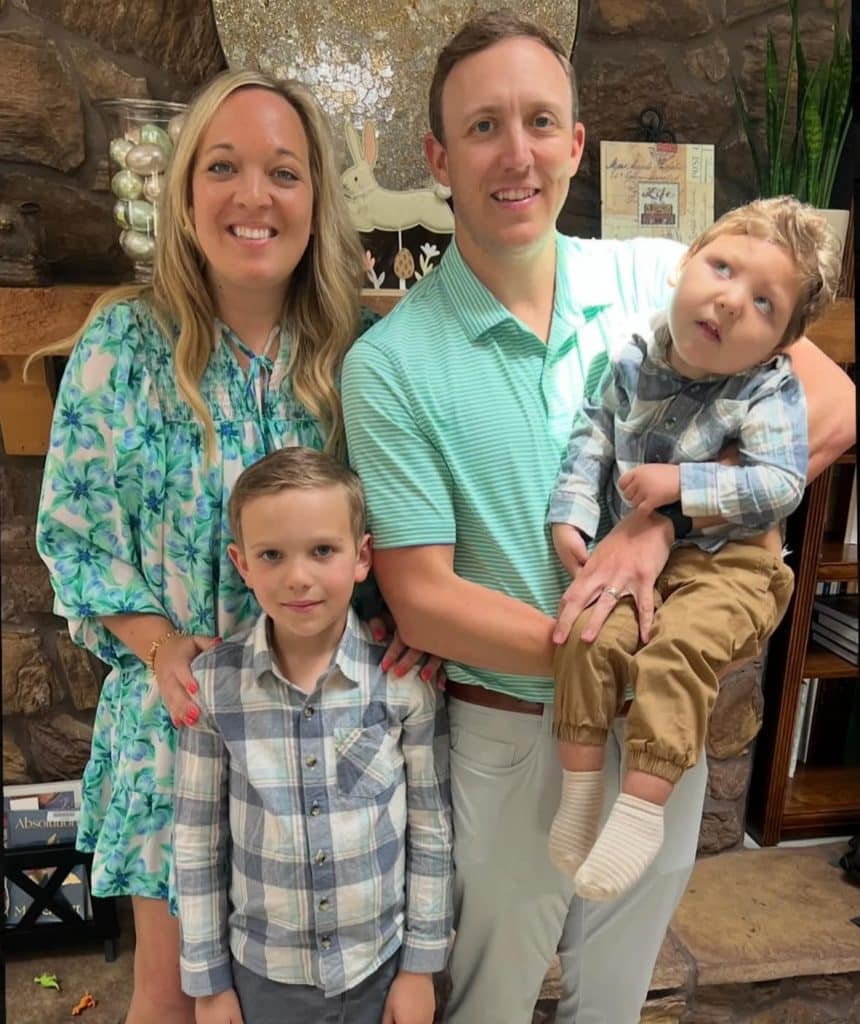
Help us in our fight for Nat G and other children dealing with rare diseases. Together we can make a difference!
Take time right now to donate to this project or Take Part as an organization so we can bring more money to the researchers
Take time right now to share this project through social media and any other way to let others know they can help.
If you work for a company who you feel may be able to donate to this cause, please click here to contact us and let us know you are interested.
Submit your message below and we will contact you as soon as possible.