
Myopathies are a group of genetically heterogeneous conditions characterized by muscle weakness, with overlap in the clinical presentation and histopathological features of different genetic subtypes.1 Within this group, congenital myopathies are most commonly characterized by hypotonia and weakness, often from birth, commonly with the presence of facial weakness, with or without ptosis and ophthalmoplegia.
PYROXD1 gene homozygous mutation is a very rare disease that appears to exhibit a LGMD-like phenotype with childhood or adulthood disease onset. It has few additional clinical features including scoliosis, high arched palate, nasal speech, and joint hypermobility. Awareness of these clinical features may be helpful to facilitate the diagnosis and lead to the appropriate genetic testing.
PYROXD1 is an oxidoreductase – which sounds complicated, but just means it can oxidise and reduce ‘things’. When we discovered PYROXD1, there was not a single science paper published on it, ever. We have been working from ground zero to try and find out what it does. We know that no other enzyme can reduce/oxidise ‘the thing(s)’ that need PYROXD1 – and whatever the things are, they are absolutely critical, because cells and mice do not survive without any PYROXD1.

The team of doctors and researchers were the first group to discover PYROXD1 as a novel disease gene causing myopathy in five families around the world. O’Grady et al, American Journal of Human Genetics 2016. They are aware of almost all cases around the world. They have been studying PYROXD1 for 7 years now – trying to find out what it is that PYROXD1 does that humans need so desperately and working our way toward a therapy.
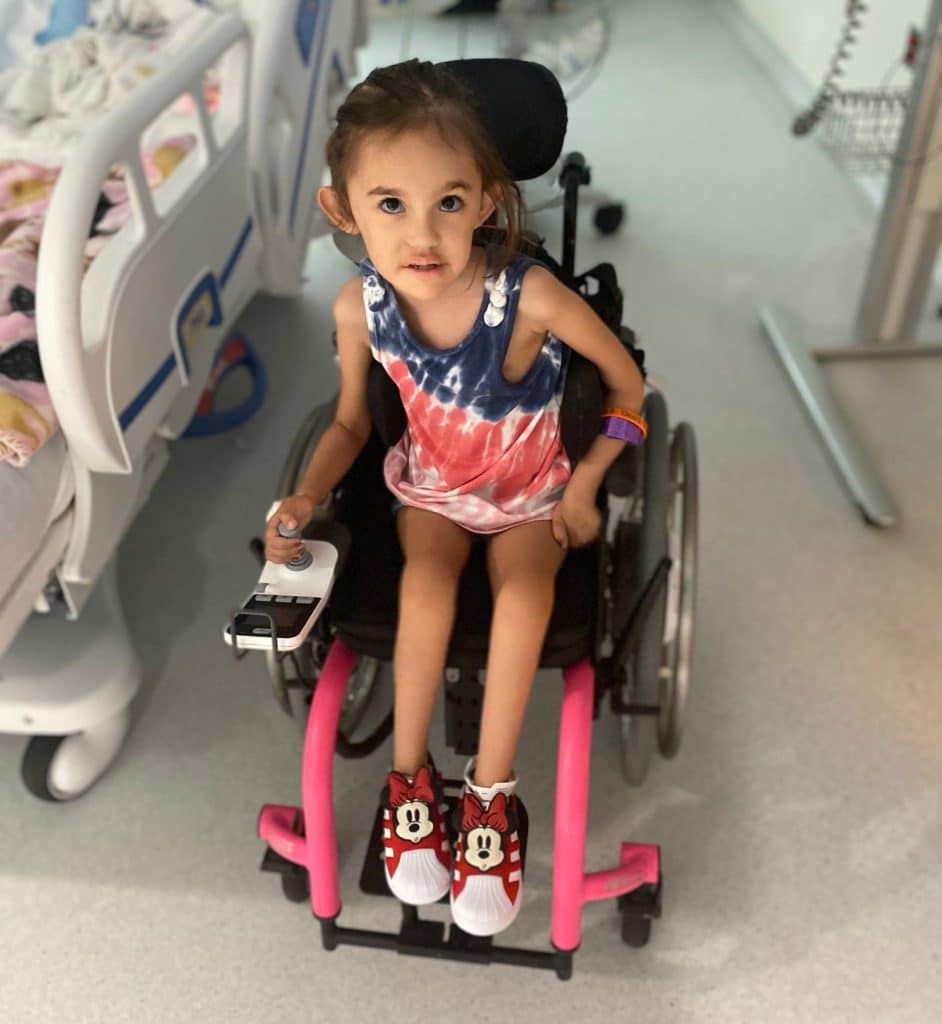
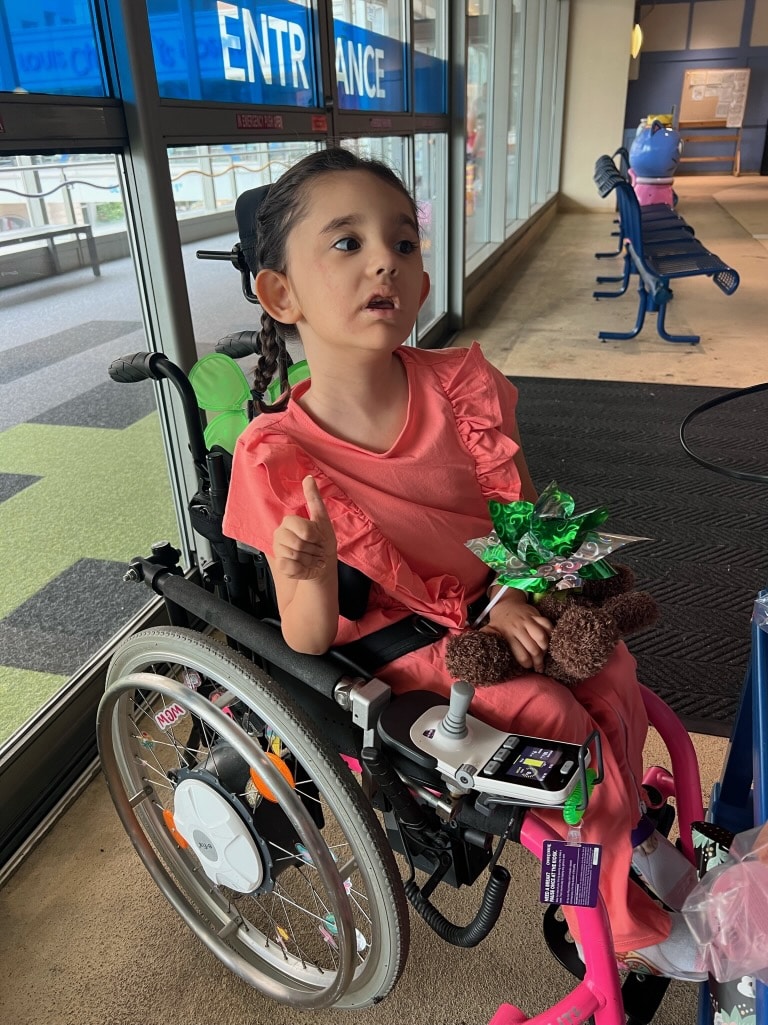
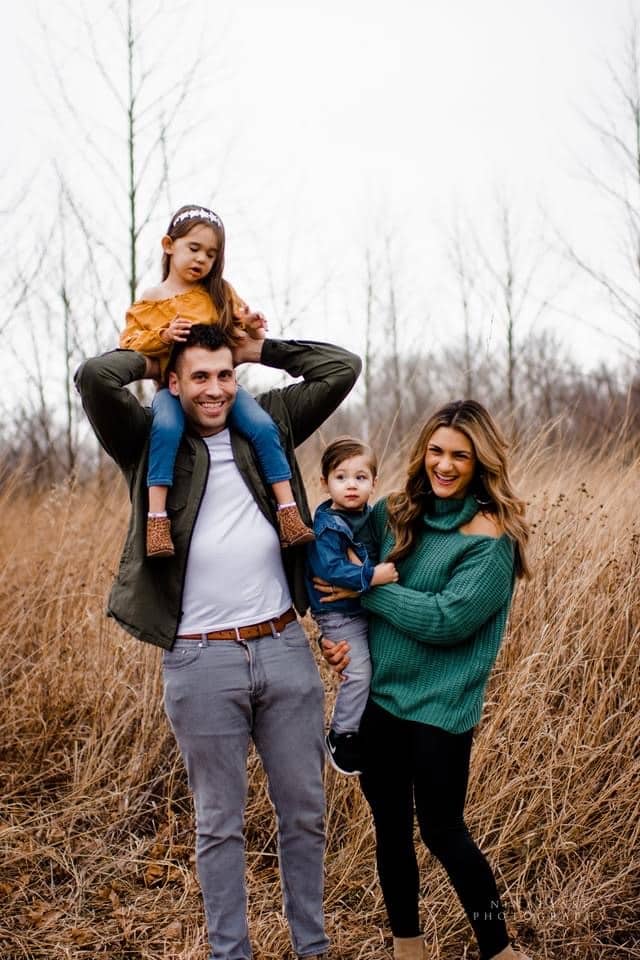
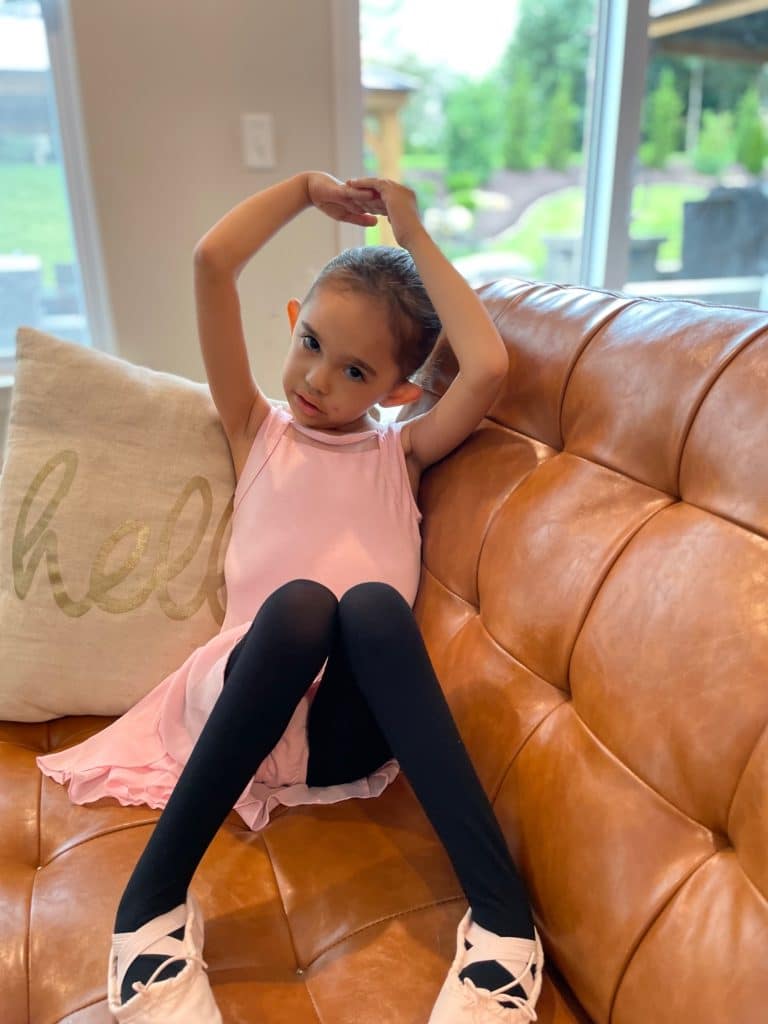
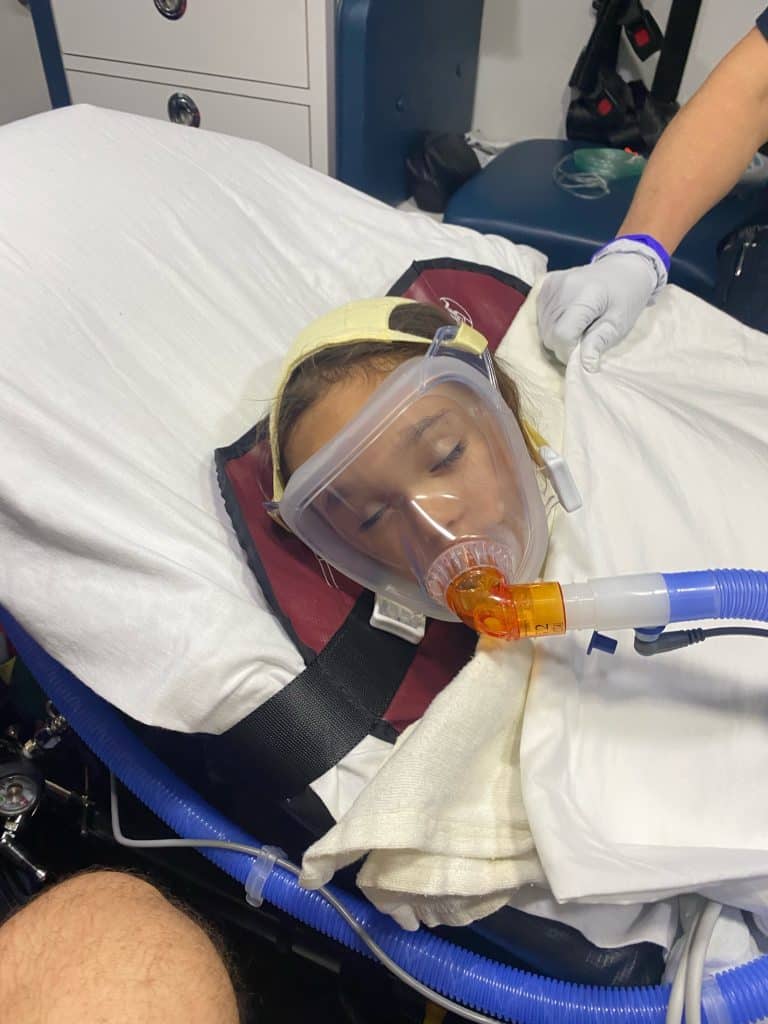
PYROXD1 (Pyridine Nucleotide-Disulphide Oxidoreductase Domain 1) is a Protein Coding gene. Diseases associated with it present as extremely rare and progressive forms of muscular dystrophy. Less than 20 people worldwide have this specific mutation, one of those people is our daughter Natalie. Her case is considered extremely severe, as her symptoms set in at a very young age. Natalie cannot walk, crawl, or do any of the things any other 3-year-old can do. She can barely use her muscles at all. A simple cold means endless trips to the emergency room. Natalie needs constant round-the-clock care, receives hyperbaric oxygen therapy twice a week ,and uses a G tube to eat. She fights every day.
Her mutation has no cure. And, due to the small number of cases, traditional research funding from pharmaceutical companies and others simply doesn’t exist. It doesn’t make financial sense.
Funding for this project, estimated at $280,000, will allow researchers to discover insights into the origin of this mutation, how it affects the body and possible treatment options. We know this won’t save Natalie, but we hope it will lead the way for finding a cure for PYROXD-1 and help others with rare pediatric diseases.

Researchers are trying to identify precisely what PYROXD1 does that is essential for cellular life. They know that PYROXD1 modulates the reduction-oxidation (redox) state of a vital ligand in a way that no other redox enzyme can compensate for. Many necessary enzymes likely rely upon this ligand for their activity – which explains why cells grown in the lab die about seven days after their supply of PYROXD1 is ‘genetically turned off’.
The first step in understanding what PYROXD1 does, is to create a high-resolution 3D structure of the enzyme, with and without its cofactors (FAD, NADPH), which scientists know are important for its function. Using X-ray crystallography and cryo-electron microscopy (cryo-EM) scientists can visualise the PYROXD1 molecule, map where the cofactors bind, and map the active site of the PYROXD1 enzyme where any unknown ligand could bind. By creating an accurate 3D model of PYROXD1, they can use supercomputing techniques to model what sort of chemicals can ‘fit’ into its active site.
They hope that by understanding the structure of the PYROXD1 enzyme better, the researchers will be able to design effective treatments. One of the most promising parts of this project is that the PYROXD1 enzyme can be readily made in very large quantities: the purified enzyme is soluble in water and appears to maintain potent redox activity in a test-tube. The high solubility of human PYROXD1 raises the possibility of testing enzyme replacement therapy using cell and animal models of disease, working side-by-side with doctors worldwide who are caring for families affected by PYROXD1 myopathy.
The overarching goals of the PYROXD1 researchers are as follows:
The researchers goal is to use donated funding from Take Part to collate a body of strong preliminary data that will help them attract a large, federal NIH grant and publish their results in medical journals. Research discoveries along the way are likely to also have broader impact on other rare conditions, due to the fact that a ‘redox problem’ is a core pathway involved in lots of different neurodegenerative disorders.
Researchers will use the structural data to identify existing drugs that may compensate for a patient’s genetic error in their natural PYROXD1. A similar approach was successful with cystic fibrosis, but they first needed a 3D structure of the cystic fibrosis chloride channel. A vital step is identifying the natural ligand(s): What binds in the PYROXD1 enzyme binding pocket? Finding this answer will be an absolute game-changer. It will also very likely inform what other therapeutic chemicals might modify PYROXD1’s activity.
Researchers will obtain important preliminary evidence as to whether PYROXD1 enzyme replacement therapy shows any benefits in cell and animal models of disease. While enzyme replacement therapy may not work, they have to try! Therapeutic promise will help our warrior Nat G and other affected families around the world.
If the researchers do not secure the needed funding, they could lose lots of important progress made over the last 5 years making cell and animal disease models. Most American research labs operate on a small-business model and like any small business, they need to find a way to get working capital. Unlike a small business, they are not selling anything, they are searching for something. The research teams who discovered PYROXD1 have already attracted research grants to pay labor costs supporting their staff and students and 5 years of laboratory reagents required to develop informative cell and animal models of PYROXD1 myopathy. Without ongoing funding, all of this stops.
With your help, we can provide a financial buffer so researchers can stop worrying IF further grant applications are successful, and instead can focus solely on this project. Take Part will be able to cover expenses related to these tests, as well as allow the researchers to collect sufficient data to write a full NIH grant. Through Take Part, researchers will have the confidence to continue at full speed and get themselves into the strongest position to attract federal funding in the form of 5-years of steady funds which will be used to tackle bigger scientific questions.
Time Frame: 2 years of Research
Budget: $280,000
Below you can see the benchmarks our researchers intent to hit for each $25,000 we are able to donate.
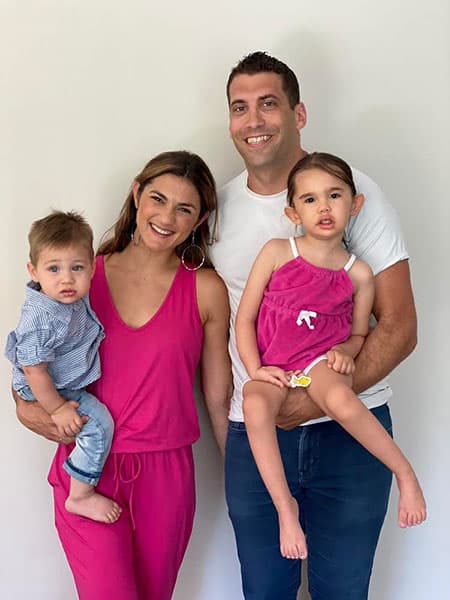
Help us in our fight for Nat G and other children dealing with rare diseases. Together we can make a difference!
Take time right now to donate to this project or Take Part as an organization so we can bring more money to the researchers
Take time right now to share this project through social media and any other way to let others know they can help.
If you work for a company who you feel may be able to donate to this cause, please click here to contact us and let us know you are interested.
Submit your message below and we will contact you as soon as possible.